Featured


The 10-Second Trick For Comparing Specialty Counseling Services : APFSC Tailored Financial Support Providers in Today's Market
Table of Contents
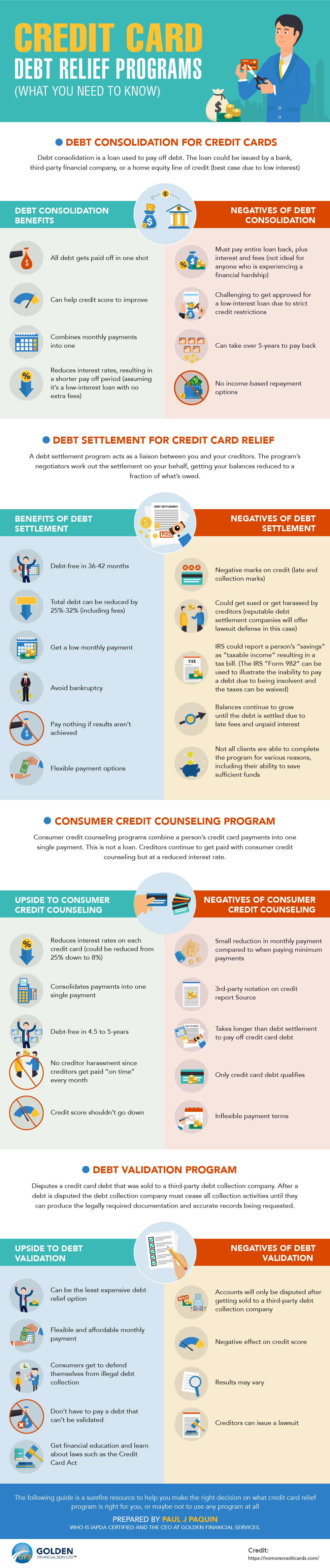
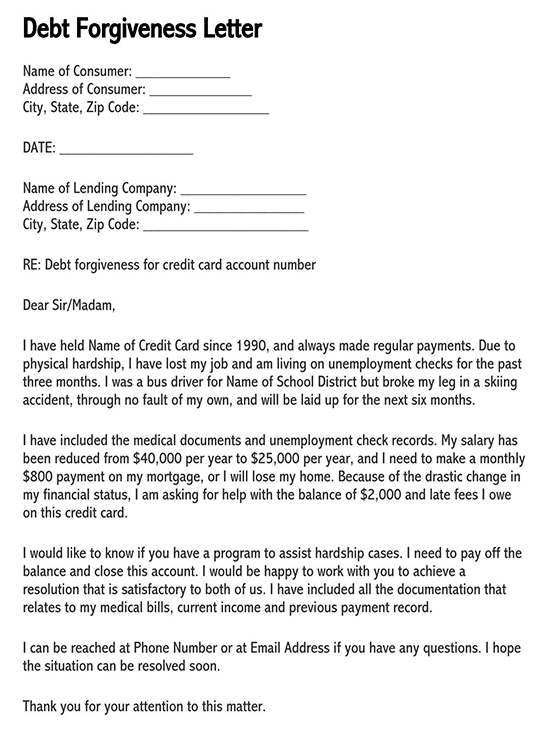
That liberates money in the brief term, and you might have 3 to 4 years to conserve towards the settlement quantity. Really dangerous to credit rating, primarily because of missed out on payments and an unfavorable "worked out" mark that could remain on your credit record for as much as seven yearsMay be only alternative if various other alternatives (financial obligation combination, equilibrium transfer credit history cards, financial debt forgiveness) aren't possibleTypically calls for a fee to the 3rd party, which might offset some or all of the financial savings from financial debt settlementMay help you prevent insolvency if you've missed out on numerous paymentsNot all lenders collaborate with financial obligation settlement companies Debt mercy might be ideal for you if you are experiencing a financial difficulty that makes it virtually difficult to pay down your financial debt balances.
With a DMP, you make one regular monthly settlement to the credit rating therapy agency. Those funds are after that dispersed to creditors of your unprotected debts, such as credit score cards and installment fundings. The agency collaborates with your creditors to decrease rate of interest or waive costs, but some financial institutions might reject such concessions.
It can assist you pay down debt if you're able to safeguard a loan price that's reduced than the typical rate of the accounts you're combining. You need to refrain from racking up debt on those freshly cleared accounts or your financial obligation could expand even higher.
That gives you lots of time to eliminate or significantly decrease your balance while making interest-free payments.
The Best Strategy To Use For Certified Guidance Safeguards Your Assets
You may require it if your financial institution or a collection company ever before tries to collect on the financial debt in the future. When a loan provider forgives $600 or more, they are called for to send you Kind 1099-C.
Financial debt mercy or negotiation generally injures your debt. Anytime you clear up a financial obligation for much less than you owe, it may look like "settled" on your credit report and influence your credit rating for seven years from the date of negotiation. Your credit report can additionally go down significantly in the months leading to the mercy if you drop behind on repayments.
The Facts About The Truth About Financial Fresh Starts for Struggling Americans Uncovered
This scenario often results from underreporting income, not filing returns on time, or discrepancies discovered during an IRS audit. The effects of gathering tax obligation debt are major and can consist of tax liens, which provide the Internal revenue service a legal claim to your residential or commercial property as protection for the financial debt.
Greater rate of interest on readily available debt. Earnings and Bank Accounts internal revenue service can impose (take) salaries and financial institution accounts to please the financial obligation. Decreased income and interruption of vital economic processes. Residential or commercial property Seizure In extreme instances, the internal revenue service can confiscate and offer home to cover the financial obligation. Loss of important properties and possible displacement.
Anxiety, anxiety, and various other mental health and wellness problems. Social Preconception Dealing with legal activity from the internal revenue service can bring social stigma. Damages to online reputation and partnerships. Employment Opportunities An inadequate credit history rating because of exhaust debt can restrict job opportunity. Difficulty finding or keeping a work. Federal government Benefits Tax financial debt might impact eligibility for federal government advantages, such as Social Protection and Medicaid.
Complimentary Accessible Debt Counseling Resources Available to You Can Be Fun For Anyone
The OIC considers several factors, consisting of the taxpayer's income, costs, possession equity, and capacity to pay. Effectively negotiating an OIC can be complex, calling for a thorough understanding of the internal revenue service's standards and a solid disagreement for why your deal lines up with your capability to pay. It is necessary to keep in mind that not all applications are approved, and the process requires thorough financial disclosure.
The internal revenue service assesses your total monetary situation, including your revenue, expenses, property equity, and capability to pay. You should additionally be present with all filing and settlement demands and not be in an open bankruptcy proceeding. The IRS likewise considers your compliance history, examining whether you have a document of prompt filing and paying tax obligations in previous years.
Unknown Facts About Permanent Effects of Personal Credit Rating
The application procedure for a Deal in Concession entails several detailed steps. You should complete and send IRS Kind 656, the Deal in Compromise application, and Type 433-A (OIC), a collection info statement for individuals. These types require thorough monetary info, including information concerning your income, financial obligations, costs, and properties.
Back tax obligations, which are unsettled tax obligations from previous years, can considerably boost your complete internal revenue service financial debt otherwise addressed promptly. This debt can accumulate rate of interest and late payment fines, making the original amount owed much larger over time. Failing to pay back taxes can cause the IRS taking enforcement actions, such as releasing a tax lien or levy against your building.
It is crucial to attend to back taxes as quickly as feasible, either by paying the sum total owed or by organizing a settlement plan with the IRS. By taking positive actions, you can prevent the accumulation of extra interest and charges, and protect against extra hostile collection actions by the internal revenue service.
One usual reason is the idea that the taxpayer can pay the total either as a round figure or with a layaway plan. The internal revenue service additionally thinks about the taxpayer's earnings, expenditures, asset equity, and future earning capacity. If these elements suggest that the taxpayer can manage to pay even more than the used amount, the IRS is most likely to decline the deal.
Unknown Facts About Post-Bankruptcy Programs and Community Support
It is important to offer accurate and complete details in your application and to seek advice from a tax obligation professional to improve the chances of acceptance. Dealing with internal revenue service debt can be complicated and overwhelming. Tax experts, such as Certified public accountants, tax lawyers, or enlisted representatives, can supply very useful support. They have the expertise to navigate the ins and outs of tax law and IRS treatments.

Table of Contents
Latest Posts
The Main Principles Of Restoring Personal Financial Standing the Right Way

A Biased View of APFSC Method to Secure Emerging Trends in Debt Management: What Borrowers Need to Know
How to Never Fall Into the Old Patterns After Your Fresh Start Things To Know Before You Get This
More
Latest Posts
The Main Principles Of Restoring Personal Financial Standing the Right Way
A Biased View of APFSC Method to Secure Emerging Trends in Debt Management: What Borrowers Need to Know
How to Never Fall Into the Old Patterns After Your Fresh Start Things To Know Before You Get This