Featured

The Single Strategy To Use For Actual Stories from People Who Achieved Relief
Table of Contents
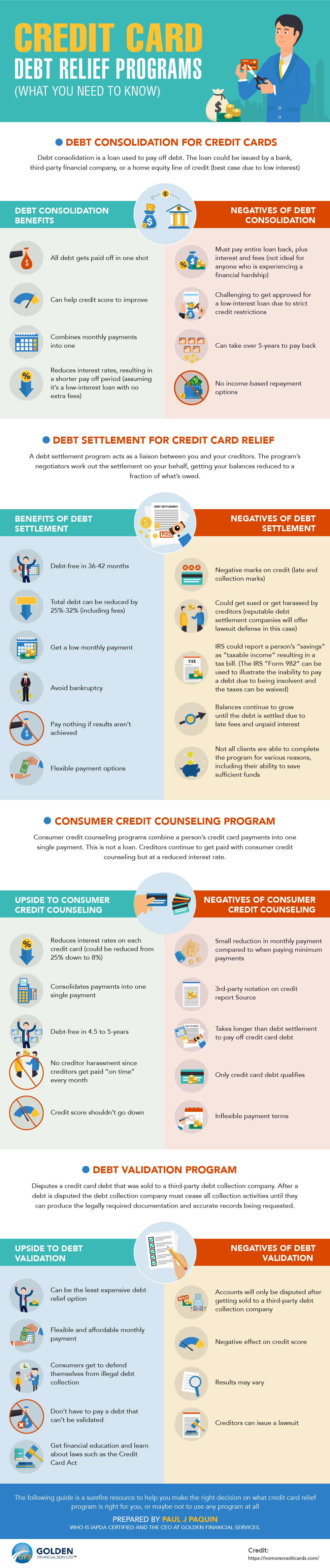
That maximizes money in the short-term, and you may have three to four years to conserve toward the settlement amount. Extremely harmful to credit rating, mostly because of missed repayments and an unfavorable "resolved" mark that might remain on your credit history report for as much as 7 yearsMay be only alternative if various other options (financial obligation loan consolidation, balance transfer credit cards, financial debt forgiveness) aren't possibleTypically calls for a cost to the 3rd celebration, which could offset some or every one of the cost savings from financial debt settlementMay help you avoid insolvency if you've missed out on a number of paymentsNot all lenders function with financial debt settlement business Financial debt mercy might be right for you if you are experiencing a financial difficulty that makes it virtually difficult to pay for your financial debt balances.
With a DMP, you make one month-to-month settlement to the credit history counseling firm. Those funds are after that distributed to lenders of your unprotected debts, such as credit scores cards and installment loans. The firm deals with your lenders to decrease interest prices or waive charges, but some financial institutions might reject such giving ins.
A debt consolidation car loan combines your qualified financial debts right into one brand-new finance. It can aid you pay down debt if you're able to safeguard a finance price that's lower than the average price of the accounts you're consolidating. You need to avoid from racking up financial obligation on those newly removed accounts or your financial debt could grow even higher.
That offers you plenty of time to eliminate or substantially minimize your balance while making interest-free settlements.
The 2-Minute Rule for What Legislation Says According to State Law
You might require it if your financial institution or a collection company ever before attempts to accumulate on the financial obligation in the future. When a loan provider forgives $600 or even more, they are required to send you Kind 1099-C.
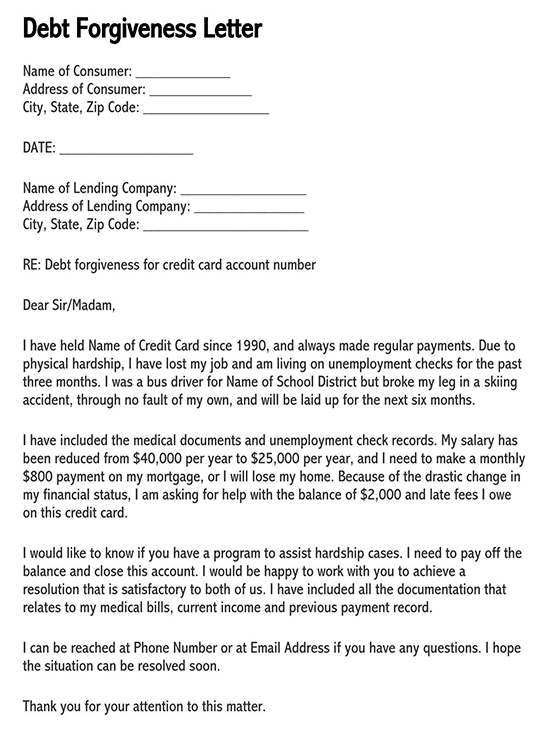
Financial debt forgiveness or settlement almost always hurts your credit report. Anytime you settle a financial debt for much less than you owe, it might show up as "worked out" on your credit scores report and impact your debt rating for seven years from the day of settlement. Your credit history can likewise drop significantly in the months bring about the mercy if you fall back on settlements.
The Of Economic Trends and Growing Need for Debt Forgiveness
This scenario typically results from underreporting revenue, not submitting returns on time, or discrepancies discovered throughout an IRS audit. The consequences of gathering tax obligation financial debt are severe and can include tax liens, which give the IRS a legal insurance claim to your building as safety and security for the financial debt.
Earnings and Bank Accounts IRS can levy (take) incomes and bank accounts to please the financial obligation. Home Seizure In extreme situations, the IRS can take and market building to cover the debt.
Social Stigma Encountering legal activity from the IRS can bring social preconception. Employment Opportunities A poor credit rating due to strain financial obligation can limit work opportunities. Federal government Advantages Tax financial obligation might impact qualification for federal government benefits, such as Social Safety and Medicaid.
Documents to Gather When Pursuing Bankruptcy Counseling - An Overview
The OIC thinks about numerous variables, consisting of the taxpayer's earnings, costs, property equity, and capacity to pay. Successfully bargaining an OIC can be complicated, requiring a complete understanding of the internal revenue service's guidelines and a solid debate for why your deal lines up with your ability to pay. It is necessary to keep in mind that not all applications are accepted, and the process needs thorough financial disclosure.
The internal revenue service evaluates your total monetary scenario, including your income, expenditures, possession equity, and ability to pay. You have to also be present with all filing and repayment demands and not remain in an open personal bankruptcy proceeding. The internal revenue service also considers your compliance background, assessing whether you have a document of timely filing and paying tax obligations in previous years.
The 5-Minute Rule for How to Connect With a Counselor Right Away
The application process for a Deal in Compromise includes numerous in-depth actions. First, you must complete and submit internal revenue service Kind 656, the Deal in Compromise application, and Kind 433-A (OIC), a collection info declaration for people. These types need detailed financial information, consisting of information about your income, debts, expenditures, and possessions.
Back tax obligations, which are unpaid tax obligations from previous years, can dramatically boost your complete IRS financial debt otherwise dealt with immediately. This financial debt can accrue rate of interest and late repayment fines, making the original amount owed much larger over time. Failing to repay tax obligations can cause the internal revenue service taking enforcement activities, such as providing a tax lien or levy against your residential property.
It is very important to deal with back tax obligations as quickly as feasible, either by paying the sum total owed or by arranging a layaway plan with the IRS. By taking positive steps, you can prevent the accumulation of extra passion and charges, and prevent a lot more hostile collection activities by the IRS.
One usual factor is the belief that the taxpayer can pay the total either as a swelling sum or with a settlement strategy. The IRS additionally thinks about the taxpayer's income, expenditures, asset equity, and future earning capacity. If these variables suggest that the taxpayer can afford to pay greater than the offered amount, the internal revenue service is likely to reject the offer.
Examine This Report on Your Legal Rights According to State Law
It is crucial to offer accurate and complete details in your application and to speak with a tax obligation expert to improve the opportunities of approval. Handling internal revenue service financial debt can be complicated and daunting. Tax obligation experts, such as Certified public accountants, tax lawyers, or enlisted representatives, can offer important support. They have the expertise to browse the ins and outs of tax law and internal revenue service treatments.

Table of Contents
Latest Posts
The Main Principles Of Restoring Personal Financial Standing the Right Way

A Biased View of APFSC Method to Secure Emerging Trends in Debt Management: What Borrowers Need to Know
How to Never Fall Into the Old Patterns After Your Fresh Start Things To Know Before You Get This
More
Latest Posts
The Main Principles Of Restoring Personal Financial Standing the Right Way
A Biased View of APFSC Method to Secure Emerging Trends in Debt Management: What Borrowers Need to Know
How to Never Fall Into the Old Patterns After Your Fresh Start Things To Know Before You Get This